


Shop now, pay later with:

Your nursery chair is an investment in your comfort. It’s a piece of furniture that you’ll use every day, multiple times a day. And when you’re no longer nursing, it can transition into an armchair in any room of your home for you to enjoy for many years to come.
Knowing how to care for your nursery chair will ensure that you get as much longevity as possible out of your investment. We share our tips for how to both protect your fabric after your purchase and how to maintain and clean your iL Tutto Nursery Chair fabric. Let's dive into our helpful tips!
The best thing you can do for nursery chair care is to take preventative measures that will help it to stay in good condition for longer.
At iL Tutto, we only use premium fabrics with stain resistant qualities so you’re already a step ahead.
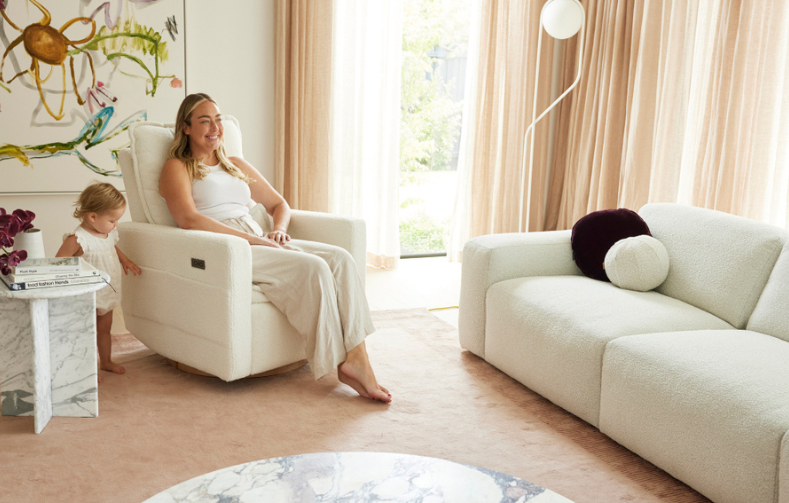
Pilling is natural with many fabrics but these preventive steps – and proper fabric care – can help to minimise it. If pilling does occur, you can use a de-pilling machine, which will gently shave the pills from the fabric.
If you spill something on your nursery chair, it’s best to clean it as soon as possible so the stain doesn’t set in to the fabric. Our Care Cover Fabric Care Kit includes everything you need to treat unwanted stains.

Spray the Fabric Upholstery Cleaning Fluid included in the kit directly onto the spray until it’s completely covered.
Wet the included microfibre cloth and then use a dabbing motion on the stain. For large or stubborn stains, you may need to repeat the process of spraying and dabbing.
Once clean, wipe the stain gently and allow it to dry. The microfibre cloth can then be rinsed with clean water to use over and over again.
For reflux stains that leave a smell in your chair, sprinkle with bicarb soda and leave overnight. When dry, you can vacuum up the bicarb soda… and the smell with it.
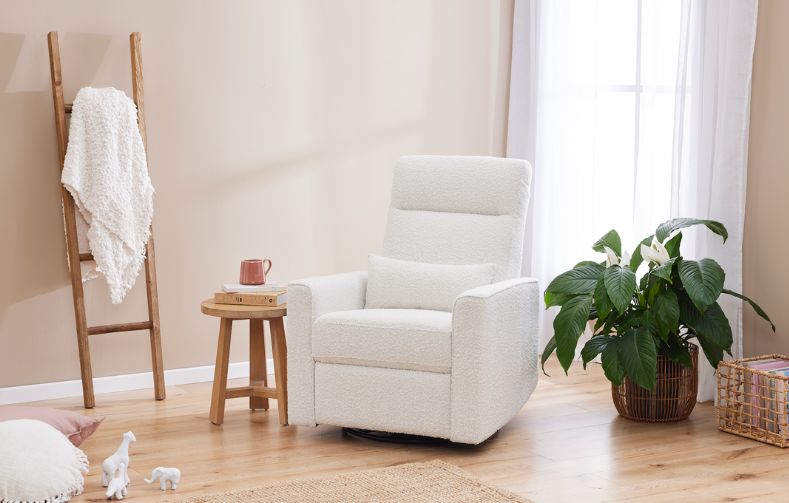
When cleaning a fabric chair, there are a few rules to keep in mind:
Fabric pilling is a common and natural characteristic of many upholstered fabrics that occurs through everyday use. With the right care, it can usually be easily managed as part of your regular chair maintenance.

Pilling refers to the small balls or clusters of fibre that forms on the surface of upholstered fabric. These fibres become visible as they work their way to the surface and gather together through regular use.
Pilling is generally caused by friction. Sitting, moving in the chair, and regular contact with clothing, blankets, cushions, and other textiles can cause loose fibres to gather on the surface of the fabric. Fibres from other materials may also transfer onto the upholstery and contribute to the appearance of pilling.
Pilling is a natural characteristic of many upholstered fabrics and does not necessarily indicate a fault, manufacturing defect, or poor-quality fabric. In fact, some higher-quality, softer fabrics can be more susceptible to pilling due to the nature and construction of their fibres. The occurrence and visibility of pilling can vary depending on the fabric construction, frequency of use, and the materials or pets that regularly come into contact with the chair.
Some fabrics release loose surface fibres during the initial period of use. As the chair is used, these fibres move to the surface and can form small pills through friction. This may be more noticeable during the early stages of ownership and can generally be managed through regular fabric care.
Regular care can help reduce the build-up of loose fibres and maintain the appearance of your upholstery. We recommend gently vacuuming your chair using an appropriate upholstery attachment, following the specific care instructions provided for your chair, and avoiding unnecessary friction from abrasive fabrics or materials. Always refer to the care instructions for your individual chair before using any cleaning or fabric-care products.
Pilling can generally be removed using an appropriate fabric depiller or fabric shaver. Use the device gently across the surface of the fabric and always follow the manufacturer's instructions. Avoid applying excessive pressure or repeatedly working over the same area. Regular depilling, when required, can form part of the ongoing care and maintenance of your iL Tutto nursery chair.
Our premium, textured fabrics include our luxe boucle' fabrics and the teddy-bear fleece fabric that features in our brand new iL Tutto Trend range. These fabrics are lush and cosy with the texture adding to the next level comfort of the chairs.
The iL Tutto Trend range includes the Frankie Electric Recliner and Glider in three Teddy fabric colours Olive, Coconut and Taupe. Or you can find our Vanilla Boucle' on our Paige Glider Recliner and Lulu Glider Chair.


